
A new garden is never really built in spring. It is designed in winter, built in spring and enjoyed in summer. The gardens that look finished by June were drawn up months earlier, usually with a cup of tea by the window in January.
That is why winter garden design in Gloucester and Cheltenham makes so much sense. If you want a new garden for next year, the time to start is now. We design and build all year round. However, from March to October our diary is busy, so winter is when we can give a new design the time it deserves.
This guide walks through why winter is the right time to design, what happens at each stage, and what Gloucestershire’s ground and weather mean for your design.
The short answer: The best time for garden design in Gloucester is November to February. Design takes time to get right, winter shows you how your garden really drains and where the light falls, and it is bare-root planting season. Plan now and your build can start early in spring, before the diary fills.
Why winter garden design in Gloucester works
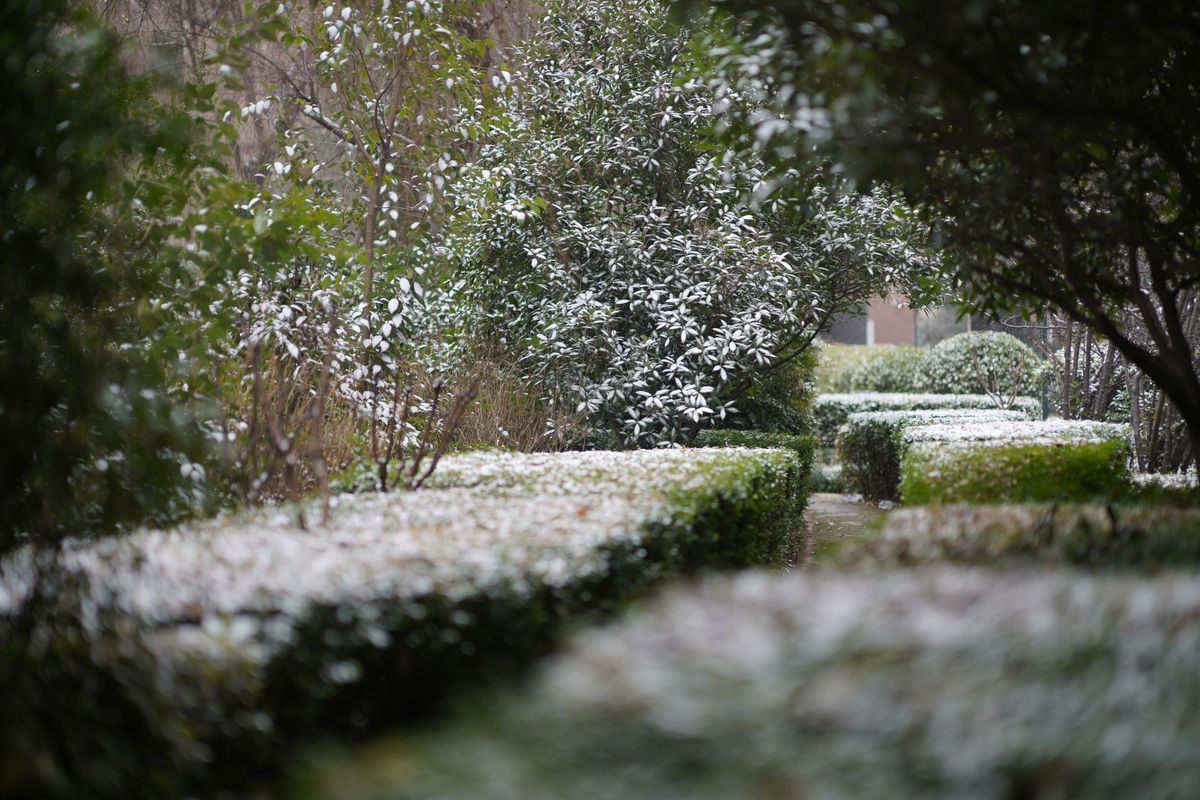
In summer, everything hides behind leaves. In winter, you see the bones of a garden: the boundaries, the levels, the paths that go nowhere and the corner that never dries out.
That makes winter the most honest time for a design visit. When we walk a garden in December, we see:
- Where water sits. On clay, puddles that vanish by May tell us where drainage needs to go.
- Where the low sun reaches. Winter light is the hardest to catch, so a seating area that gets sun now will get it most of the year.
- What you look at from the house. With the leaves gone, you see the view from the kitchen window as it is for half the year.
- What is worth keeping. Mature trees, old walls and good shrubs are easier to judge without the summer clutter.
So a winter visit is not second best. For design, it is often the better visit. (If it is just a new patio you are after, our guide to fitting a patio in winter covers that in detail.)
Gloucester and Cheltenham ground: what we plan for
Every garden in this part of Gloucestershire comes with its own challenge, and a good design starts there.
Clay in the Severn Vale. Much of Gloucester and the land along the Severn sits on heavy clay. It is fertile, but it holds water through winter and bakes hard in a dry summer. So we plan drainage, raised beds and the right plants before anything else.
Flood risk near the river. Parts of Gloucester and the surrounding villages are low-lying and can flood in a wet winter. Before we design, it is worth checking your address on the government’s long-term flood risk service. That shapes where we put patios, sheds and planting.
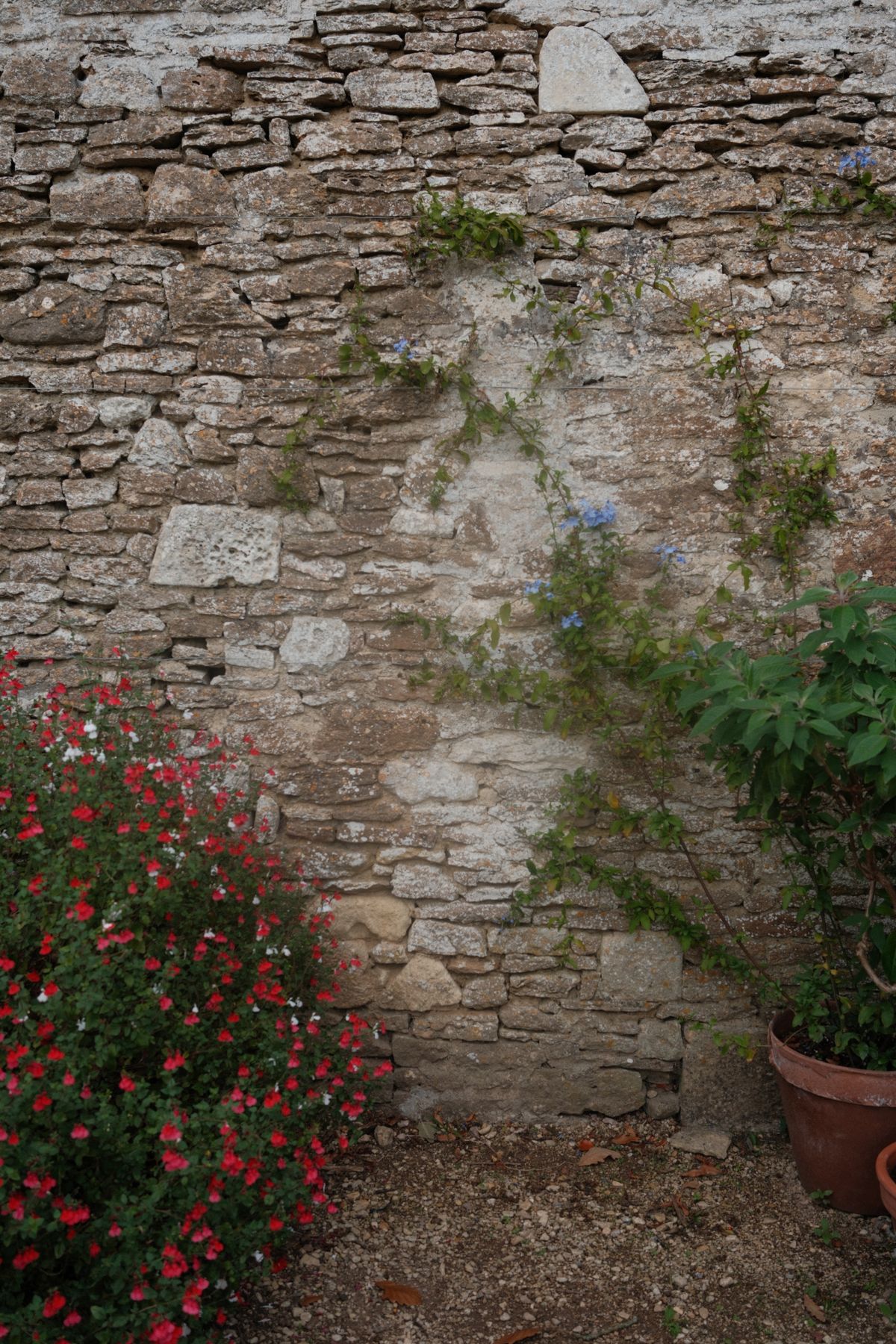
Cotswold stone and Regency Cheltenham. Towards Cheltenham and the Cotswold edge, many homes are built of or near honey-coloured limestone. In Cheltenham, plenty of Regency and Victorian homes sit within conservation areas. Materials need to suit the house, and some front garden or boundary changes may need a word with the council first. Planning in winter gives time to check.
From first idea to finished garden: the winter timeline
Here is how winter garden design in Gloucester usually comes together, from first visit to finished garden. Every project is different, so treat this as a guide rather than a fixed schedule. For the build side, our post on the best time of year to landscape a garden goes season by season.
| Stage | When | What happens |
|---|---|---|
| First visit | November to December | We walk the garden, talk through how you use it and what is not working |
| Design | December to January | Layout, materials and planting plan drawn up and refined with you |
| Sign-off and booking | January to February | Final design agreed, build dates fixed, materials ordered |
| Bare-root planting | November to February | Hedges and trees go in while dormant, where the plan allows |
| Build | Early spring | Hard landscaping first, then soft landscaping |
| Finishing planting | Spring | Perennials and container plants go in as the soil warms |
| Enjoy it | Summer | The garden is ready for long evenings outside |
Winter garden design and bare-root season
There is a practical reason to get the design agreed before February. Winter is bare-root planting season.
Bare-root hedging, trees and roses are sold while they are dormant, usually from about November to March. They tend to cost less than pot-grown plants, and they settle in well because they go in before the growing season. The RHS recommends planting bare-root hedges between November and February, avoiding frozen or waterlogged ground.
So if your design includes a new beech or hornbeam hedge, a fruit tree or a run of roses, having the plan agreed in winter means those can go in at the right time. Leave the design until April and you have missed the window until next autumn.
What people get wrong about garden design
Myth: “Garden design is only for big gardens.” In practice, small gardens benefit most. In a Gloucester terrace or a Cheltenham courtyard, every square metre has to work. A good design makes a small space feel bigger and far more usable.
Myth: “Nothing happens in the garden in winter.” Plenty happens, it is just less visible. Design, surveys, bare-root planting and, on suitable days, groundwork and clearance can all go ahead. What we avoid is laying mortar or concrete when frost is forecast, because frost can damage a fresh bed. On those days, we switch to other work.
Myth: “I’ll just ring in spring.” You can, and we will always do our best. However, spring is when everyone rings. Planning in winter is the simplest way to get your build early in the season rather than late.

Starting your winter garden design in Gloucester
Getting started is easy. Before our first visit, it helps to think about a few things:
- How you want to use the garden: dining, children, a quiet spot, growing your own.
- What you like and dislike about it now.
- Any photos or gardens you have seen and loved.
- A rough budget, so the design fits what you want to spend.
From there, we visit, listen and draw up a design that suits your house, your soil and the way you live. You can see more about how we work on our garden designer page and our landscaping page. For the full step-by-step, read our guide to planning a garden landscaping project in Cheltenham, and if you are still deciding, our post on whether a garden design is worth it.
Questions we get asked about winter planning
How far ahead should I plan a new garden?
For a build in spring, start your winter garden design in Gloucester in November or December. Design is a back-and-forth process, and you want time to think, change your mind and agree the final plan without rushing. That also gives time to order materials and check any planning questions before the build date.
Can you visit a garden in the rain or frost?
Yes, and it is often useful. Seeing a garden on a wet day shows us where water collects and how the ground behaves. Frost shows which areas stay cold and shaded. Both help us design a garden that works all year, not just on a sunny afternoon.
Do I need planning permission for a new garden in Cheltenham?
Most garden work does not need planning permission. However, homes in conservation areas or listed buildings can have extra rules, particularly for front gardens, walls and boundaries. Large areas of impermeable paving at the front can also need permission. We flag anything that needs checking during the design stage.
What can be planted in a Gloucester garden in winter?
Bare-root hedges, trees, fruit bushes and roses can go in while they are dormant, usually November to February. Avoid planting when the ground is frozen or waterlogged, which is common on Severn Vale clay after heavy rain. Perennials are usually better left until spring.
Is clay soil a problem for a new garden?
Not if it is planned for. Clay is fertile and holds nutrients well. The key is good drainage, improving the soil where you plant, and choosing plants that cope with wet winters and dry summers. We design with your soil from the start, rather than fighting it later.
Start your winter garden design today
If you would like a garden you can enjoy by summer, winter garden design in Gloucester starts with a simple conversation.